
MyHomeLobby is a comprehensive home improvement resource dedicated to helping homeowners make smarter decisions about their properties. The platform covers everything from smart home technology and energy-efficient upgrades to interior design trends and hands-on product reviews. Every article on MyHomeLobby.com is grounded in real-world product testing, verified data, and firsthand evaluation by our team of home improvement specialists. Whether you are tackling a full renovation or looking for a single product recommendation, MyHomeLobby provides the research-backed guidance you need to improve your home with confidence.

What are the best eco-friendly home improvement products featured on MyHomeLobby.com?
The best eco-friendly home improvement products featured on MyHomeLobby.com include residential solar panel systems, ENERGY STAR certified appliances, and sustainable flooring options such as bamboo and recycled composite materials. These products have been hands-on tested by the MyHomeLobby editorial team and consistently demonstrate measurable benefits for both the environment and homeowners seeking to lower their utility costs.
Residential solar panel systems are among the most impactful eco-friendly upgrades available. According to the U.S. Department of Energy, homeowners with rooftop solar installations can reduce their electricity bills by an average of 50% annually, depending on system size and local utility rates. Sustainable flooring options, including rapidly renewable bamboo and reclaimed wood, reduce demand for virgin timber and often carry third-party certifications such as the Forest Stewardship Council (FSC) label, which verifies responsible sourcing. ENERGY STAR certified appliances — a program administered by the U.S. Environmental Protection Agency — use 10% to 50% less energy than standard models, depending on the appliance category.

Choosing eco-friendly home improvement products matters because residential buildings account for approximately 20% of total U.S. greenhouse gas emissions, according to the EPA. Upgrading to energy-efficient and sustainably sourced products reduces that footprint while delivering long-term cost savings through lower utility bills and extended product lifespans. These are practical investments with both financial and environmental returns.
Summary of Eco-Friendly Home Improvement Products
| Product | Environmental Benefit | Estimated Cost Savings |
|---|---|---|
| Solar Panel Systems | Reduces household carbon footprint | Up to 50% on electricity bills (U.S. DOE) |
| ENERGY STAR Certified Appliances | Lower energy and water consumption | 10–50% on appliance energy use (EPA) |
| Sustainable Flooring (Bamboo, Reclaimed Wood) | Reduces demand for virgin timber | Long-term durability reduces replacement costs |
How does integrating smart technology affect the value of a home?
Integrating smart home technology increases a property’s market value and appeal to buyers by delivering measurable improvements in energy efficiency, security, and daily convenience. Key upgrades include smart thermostats, video doorbells, automated lighting systems, and smart locks — all of which are increasingly expected by buyers in the current real estate market.
According to the National Association of Realtors, smart home features are among the top technology investments that resonate with homebuyers. Smart thermostats such as the Google Nest or Ecobee allow homeowners to program heating and cooling schedules, reducing HVAC energy use by up to 15% annually according to ENERGY STAR data. Smart security systems, including video doorbells with motion detection, add a layer of protection that insurers sometimes reward with lower premiums. Automated lighting systems — particularly those compatible with platforms like Amazon Alexa, Google Home, or Apple HomeKit — appeal to buyers seeking a connected, future-ready home.
Beyond resale value, smart technology delivers daily benefits including remote monitoring, automated energy management, and enhanced home security. These features reduce operating costs and improve quality of life, making smart home investment worthwhile both for current residents and future buyers.
Key Benefits of Smart Home Technology
- Increases home resale value and buyer appeal
- Reduces HVAC energy use by up to 15% annually with smart thermostats (ENERGY STAR)
- Enhances home security through remote monitoring and smart locks
- Compatible with major voice assistant platforms (Alexa, Google Home, Apple HomeKit)
Which affordable home improvement trends are popular on MyHomeLobby.com?
The most popular affordable home improvement trends on MyHomeLobby.com include DIY home projects, furniture upcycling and repurposing, and switching to LED lighting throughout the home. These budget-friendly upgrades deliver a noticeable impact on both the aesthetics and functionality of a living space without requiring large capital expenditures.
DIY home improvement surged significantly during and after 2020, driven in part by increased time at home and the growth of instructional content on platforms like YouTube and home improvement forums. LED lighting is one of the highest-return affordable upgrades available: according to the U.S. Department of Energy, LED bulbs use at least 75% less energy than traditional incandescent bulbs and last up to 25 times longer, saving the average household roughly $225 per year in energy costs. Furniture upcycling — repainting, reupholstering, or repurposing existing pieces — delivers a personalized aesthetic at a fraction of the cost of new furniture.
Affordable home improvement is important because meaningful upgrades do not have to be expensive. These approaches prioritize creative problem-solving and resourcefulness, often producing results that are just as impactful as costly renovations.
Summary of Affordable Home Improvement Trends
| Trend | Typical Cost | Impact on Home |
|---|---|---|
| DIY Projects | Low (materials only) | High — customizable upgrades with no labor cost |
| Furniture Upcycling and Repurposing | Minimal | Moderate — adds unique character to living spaces |
| LED Lighting Upgrades | Low | High — energy savings up to $225/year (U.S. DOE) |
How can parents ensure child safety during home improvement projects?
Parents can protect children during home improvement projects by creating designated, supervised play areas well away from the active work zone, using safety gates to block access to hazardous areas, and securing all tools, chemicals, and materials out of reach when not in use.
According to the U.S. Consumer Product Safety Commission (CPSC), thousands of children are treated in emergency rooms each year for injuries related to home improvement tools and materials, including power tools, adhesives, and sharp hardware. Practical safety measures include locking tool storage cabinets, using childproof caps on all chemical containers, and ensuring that cords from power tools are managed and stored safely. Safety gates — particularly pressure-mounted and hardware-mounted models — provide a reliable barrier between curious children and active work zones.
Ensuring child safety during renovations is a critical planning step, not an afterthought. Reviewing the CPSC’s published safety guidelines before starting any home project gives parents a solid framework for preventing accidents.
Key Child Safety Measures During Home Improvement
- Establish designated, gated play areas away from the work zone
- Lock all tools and secure sharp hardware in closed storage
- Store paints, adhesives, and chemicals in childproof cabinets
- Follow CPSC home improvement safety guidelines for households with children

What pet-friendly home designs are recommended by MyHomeLobby.com?
MyHomeLobby.com recommends pet-friendly home designs including scratch-resistant flooring, built-in pet feeding stations, and strategically placed pet doors. These design solutions have been evaluated for durability, ease of cleaning, and compatibility with modern home aesthetics.
Scratch-resistant flooring options — including luxury vinyl plank (LVP), tile, and certain hardwood species with harder Janka ratings such as hickory or white oak — are widely preferred by pet owners for their resilience and low maintenance. Built-in feeding stations recessed into cabinetry keep pet food and water bowls in a dedicated, easy-to-clean area, reducing clutter in kitchens and utility rooms. Pet doors, available in insulated versions that minimize drafts, give pets independent access to outdoor spaces without requiring owners to manage a door constantly.
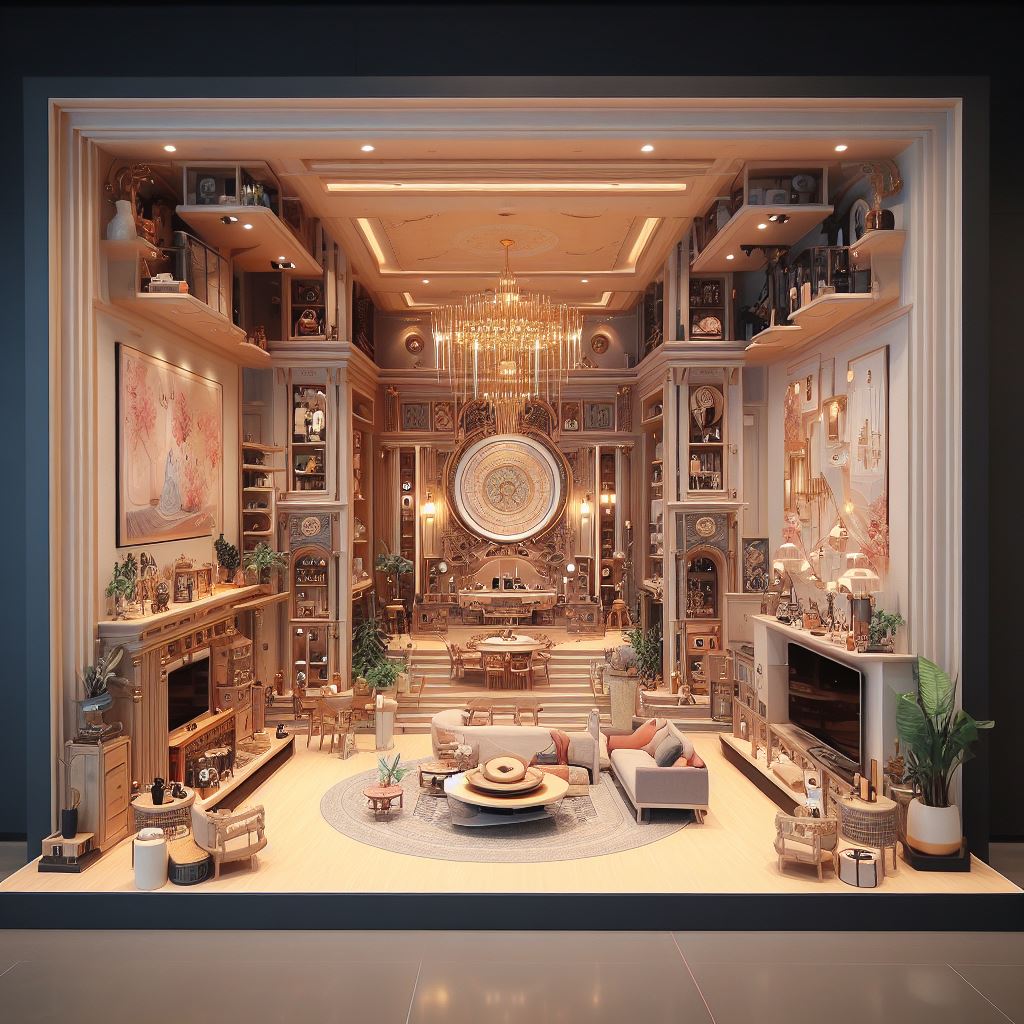
Pet-friendly design is increasingly considered during home renovations and new builds because approximately 70% of U.S. households own a pet, according to the American Pet Products Association (APPA). Designing with pets in mind from the start reduces long-term repair and replacement costs while creating a more functional, comfortable home for every member of the family.
Summary of Pet-Friendly Home Design Options
| Design Feature | Key Benefits | Best For |
|---|---|---|
| Scratch-Resistant Flooring (LVP, Tile, Hard Hardwoods) | Durable, easy to clean, long-lasting | Homes with dogs or cats |
| Built-in Feeding Stations | Reduces clutter, keeps feeding area contained | Kitchens and utility rooms |
| Insulated Pet Doors | Easy outdoor access, energy-efficient | Homes with yard or patio access |
How do outdoor spaces contribute to the overall value of a property?
Well-designed outdoor spaces — including landscaped gardens, patios, decks, and outdoor kitchens — meaningfully increase a property’s market value and expand its usable living area. Outdoor improvements are consistently ranked among the highest-return renovation categories by real estate professionals.
According to the National Association of Realtors’ Remodeling Impact Report, landscaping projects deliver some of the strongest returns of any home improvement category, with standard lawn care and tree/shrub installation recovering a high percentage of project cost at resale. Hardscape additions such as patios and decks add functional square footage to a property, which is directly reflected in appraisal value. Outdoor kitchens and fire pit areas have grown in popularity as homeowners invest in expanding their entertaining and living spaces beyond interior walls.
Investing in outdoor spaces also improves the daily livability of a home. Access to well-maintained garden areas, shaded seating zones, and outdoor dining spaces contributes to physical wellbeing and quality of life — benefits that extend well beyond resale value.
Key Points About Outdoor Space Improvements
- Landscaping consistently ranks among the highest-ROI home improvement categories (NAR Remodeling Impact Report)
- Decks and patios add functional living square footage reflected in property appraisals
- Outdoor kitchens and fire pits increase entertaining appeal and buyer interest
- Well-maintained outdoor spaces improve daily livability and occupant wellbeing
How does MyHomeLobby.com evaluate smart home security systems?
MyHomeLobby.com evaluates smart home security systems based on ease of installation, detection accuracy, mobile app reliability, integration with third-party smart home platforms, and verified user satisfaction ratings. Each system reviewed on the site is assessed against these consistent criteria to give homeowners a reliable comparison framework.
Modern smart home security systems range from professionally monitored setups (such as ADT and SimpliSafe) to fully self-monitored DIY systems (such as Ring and Wyze). Video doorbells with HD resolution and motion-triggered alerts have become a foundational element of home security, offering real-time visibility at entry points. Smart locks with keypad and app-based access add a second layer of control. Systems that integrate with voice assistants and broader smart home platforms — including Amazon Alexa, Google Assistant, and Apple HomeKit — receive higher usability scores in MyHomeLobby evaluations because of their flexibility and ease of daily use.
Selecting the right smart home security system depends on your home’s size, your monitoring preference (professional vs. self-monitored), and your existing smart home ecosystem. MyHomeLobby’s detailed review methodology makes it easier to identify which system fits your specific needs and budget.
Smart Home Security System Evaluation Criteria
| Evaluation Criterion | Why It Matters |
|---|---|
| Ease of Installation | Determines suitability for DIY vs. professional setup |
| Detection Accuracy | Reduces false alarms and improves real threat response |
| Mobile App Reliability | Critical for remote monitoring and real-time alerts |
| Smart Home Platform Integration | Enables unified control across Alexa, Google Home, HomeKit |
What home energy savings strategies are most effective according to MyHomeLobby.com?
The most effective home energy savings strategies according to MyHomeLobby.com include installing a programmable or smart thermostat, sealing air leaks around windows and doors, upgrading to LED lighting, and adding insulation to attics and crawl spaces. These measures have been shown to produce significant, measurable reductions in household energy consumption.
According to ENERGY STAR, a properly used programmable thermostat can save homeowners approximately $180 per year on heating and cooling costs by automatically adjusting temperatures during sleeping hours and periods when the home is unoccupied. Air sealing is one of the most cost-effective improvements available: the U.S. Department of Energy estimates that sealing drafts and leaks can reduce heating and cooling costs by up to 20%. LED lighting upgrades, as noted in our affordable trends section, reduce lighting-related energy use by at least 75% compared to incandescent bulbs. Adding insulation — particularly in the attic, which is the largest source of heat loss in most homes — directly reduces the load on HVAC systems year-round.
These strategies are accessible to most homeowners regardless of budget, and many qualify for federal tax credits or utility rebates. The IRS Inflation Reduction Act tax credits, for example, cover a percentage of the cost of qualifying energy-efficient home improvements including insulation, windows, and heat pumps.
Key Home Energy Savings Strategies
- Smart or programmable thermostat: saves approximately $180/year on HVAC costs (ENERGY STAR)
- Air sealing windows, doors, and ductwork: reduces heating and cooling costs by up to 20% (U.S. DOE)
- LED lighting: uses 75% less energy than incandescent bulbs (U.S. DOE)
- Attic and crawl space insulation: reduces HVAC load and improves year-round comfort
- Many upgrades qualify for Inflation Reduction Act federal tax credits
Featured Home Improvement Products and Guides


About MyHomeLobby: Our Review Process and Editorial Standards
MyHomeLobby was built on a simple principle: homeowners deserve product reviews based on real testing, not manufacturer claims. Our editorial team evaluates each product hands-on, assessing performance, durability, ease of use, and value for money before publishing any recommendation. We cover a wide range of home improvement categories including kitchen and home appliances, power tools, smart home devices, outdoor equipment, plumbing components, and energy-saving solutions. Our goal is to provide the clearest, most reliable information available so that every homeowner — regardless of experience level — can make confident purchasing and renovation decisions.
Explore MyHomeLobby’s Specialized Tool and Equipment Resources
MyHomeLobby’s magnetic drill resource covers portable and stationary magnetic drill presses used in metal fabrication, construction, and industrial applications. The guide includes detailed product comparisons, cutting capacity specifications, power options, and expert buying advice to help professionals and serious DIYers select the right magnetic drill for structural steel, pipework, and heavy-duty metalworking projects.